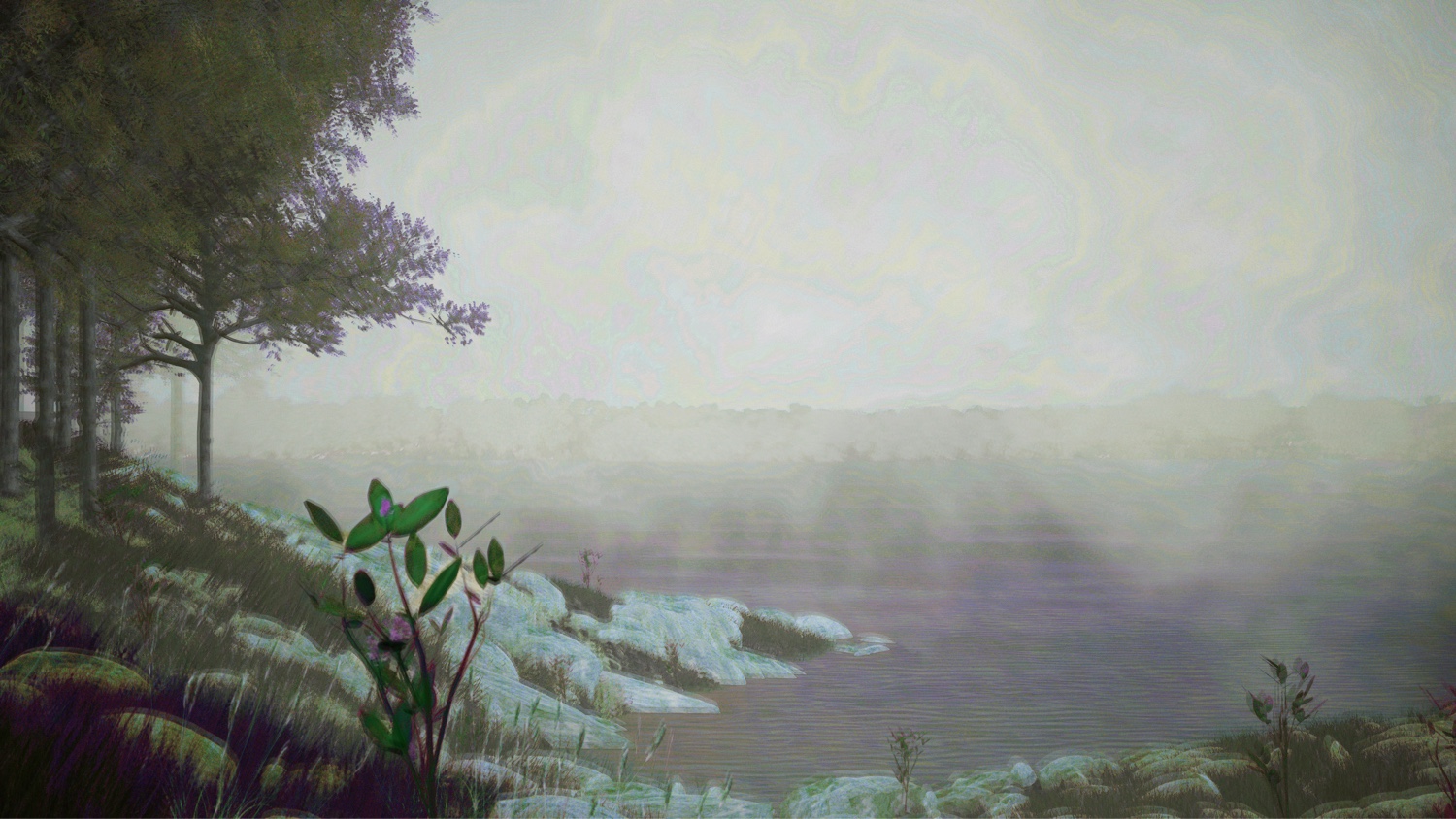
Lean in close to the flower, shut your eyes, and inhale. What you smell is a ghostly echo of Orbexilum stipulatum, the Falls-of-the-Ohio Scurfpea, a legume last seen in 1881 and presumed extinct. It lived on scoured limestone islands in the Falls of the Ohio, a section of rapids in the Ohio River near Louisville, Kentucky, that was the beginning of a buffalo trace—a migration highway for buffalo that ran from Kentucky to Indiana. The islands were drowned by a dam in the 1920s.
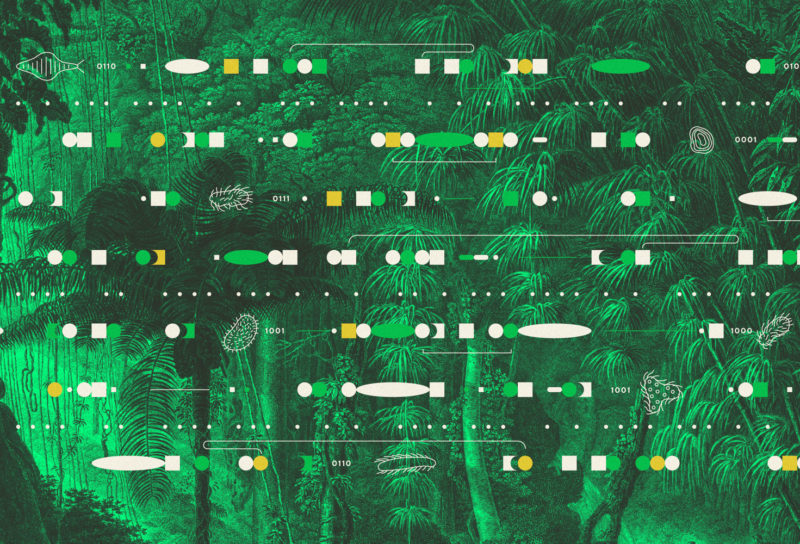
In 2016, scientists from Ginkgo Bioworks found a dried sample of Orbexilum preserved at the Harvard Herbarium. From those dried cells, they were able to extract millions of tiny fragments of its DNA. Using custom algorithms, they pieced together those fragments like a jigsaw puzzle, until they had the code for all its floral scent genes.
Ginkgo built those genes from scratch and inserted them into brewer’s yeast. As the engineered yeast fermented in a tube, its new genes produced the same terpenes (scent molecules) that Orbexilum would have made.
Ginkgo collaborated with Sissel Tolaas, a Norwegian smell researcher and artist, to compose the smell, and Alexandra Daisy Ginsberg, a British artist, to design museum installations that have featured the scent in exhibitions around the world. Tolaas sourced the terpenes and mixed them into a perfume she felt best represented Orbexilum. That scent, with its hints of pepper and citrus, has been printed onto the page.
No living person has smelled Orbexilum, so we can’t say if this is exactly what it smelled like. But we can say that this is its ghost scent, an emanation informed by the past. As you inhale it, think of that lost world on the Falls of the Ohio, the streaming herds of buffalo fording the river, the sun-baked limestone glades fragrant with Orbexilum. That world, and many others like it, has been lost to us, and this olfactory seance provides just the tiniest communication. As synthetic biology’s abilities to rescue ancient DNA and reanimate it continue to advance, the portal will grow wide, and the conversation will commence.